“The subject matter of Pop Art is rooted in everyday life; it mirrors contemporary reality and provokes and reflects upon cultural change.”
(Osterwold, n.d.)
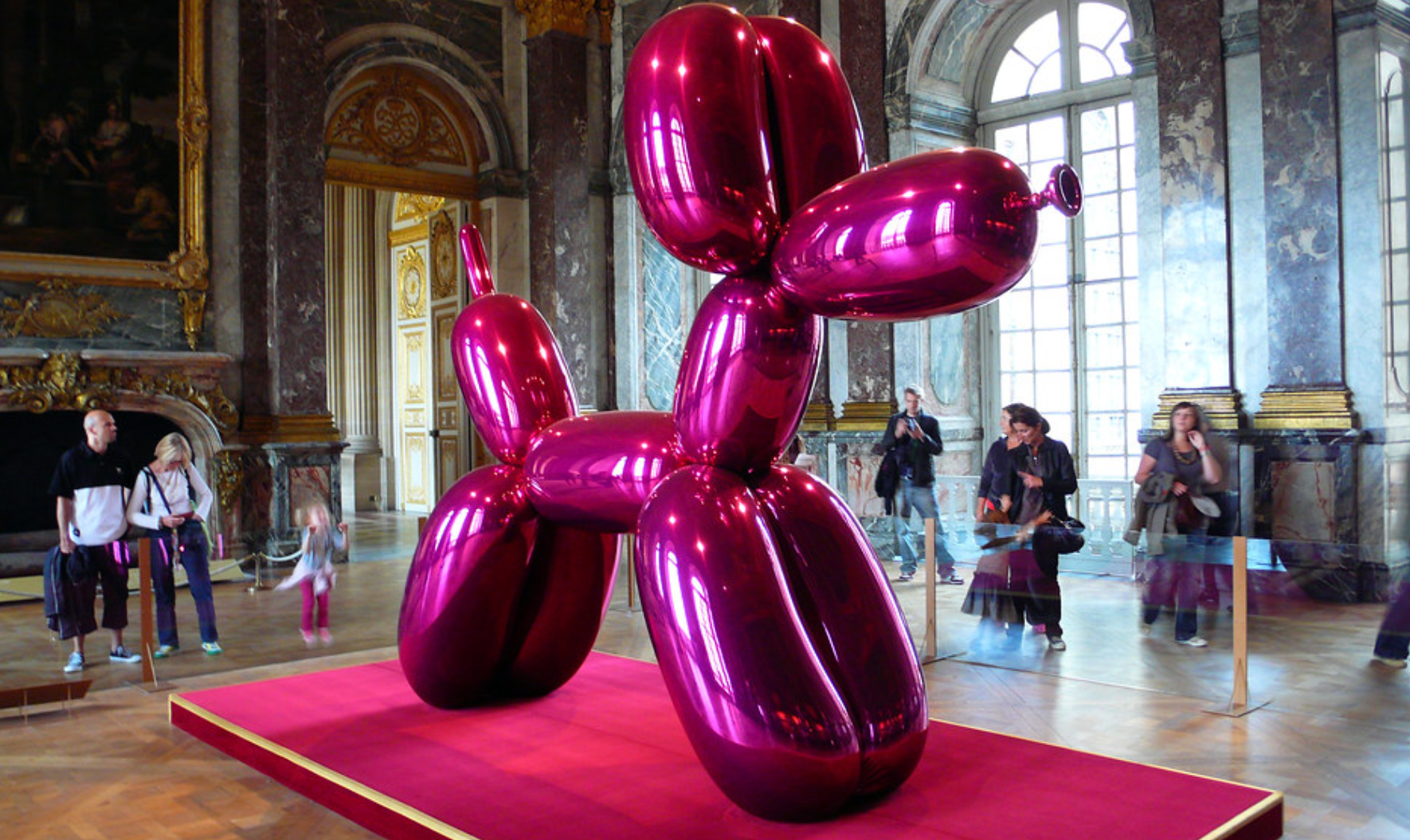
Pop Art continues to have relevance today. The movement is widespread partially because of its nostalgia and also because of its fascinating aesthetics (Kordic, 2015). Contemporary day artist, Jeff Coons, is most known for his popular balloon dogs. Pop artists, like Coons, is known for celebrating everyday objects and popular culture. The balloon animal, typically seen at a child’s birthday party is small and made of one tiny rubber balloon. However, Coons’ take on the balloon art becomes Pop Art because he’s taking this everyday, popular, and well-known object and glorifying it by make it larger than life. His balloon dogs measure in at 307.3 × 363.2 × 114.3 (Kordic, 2015). The movement is widespread partially because of its nostalgia and also because of its fascinating aesthetics (Kordic, 2015). Contemporary day artist, Jeff Coons, is most known for his popular and famous balloon dogs. Pop artists, like Coons, is known for celebrating everyday objects and popular culture. The balloon animal, typically seen at a child’s birthday party is small and made of one tiny rubber balloon. However, Coons’ take on the balloon dog becomes Pop Art because he’s taking this everyday, popularly known object and glorifying it into something larger than life. His balloon dogs measure in at 307.3 × 363.2 × 114.3 cm (Stanska, 2018). They are stainless steel with vibrant color coatings. It may seem ironic, but his infamous pink balloon dog made its way all the way to the Palace of Versailles in France and sparked much controversy as visitors thought it was much too modern and misfitting for the palace of a former king. Sounds like just the rise in society that Pop Art was meant to spark! After all, isn’t any publicity good publicity?
“With its bright colors and simple forms, Pop Art projects an innocent child’s view of the world.”
(Paglia, n.d.)
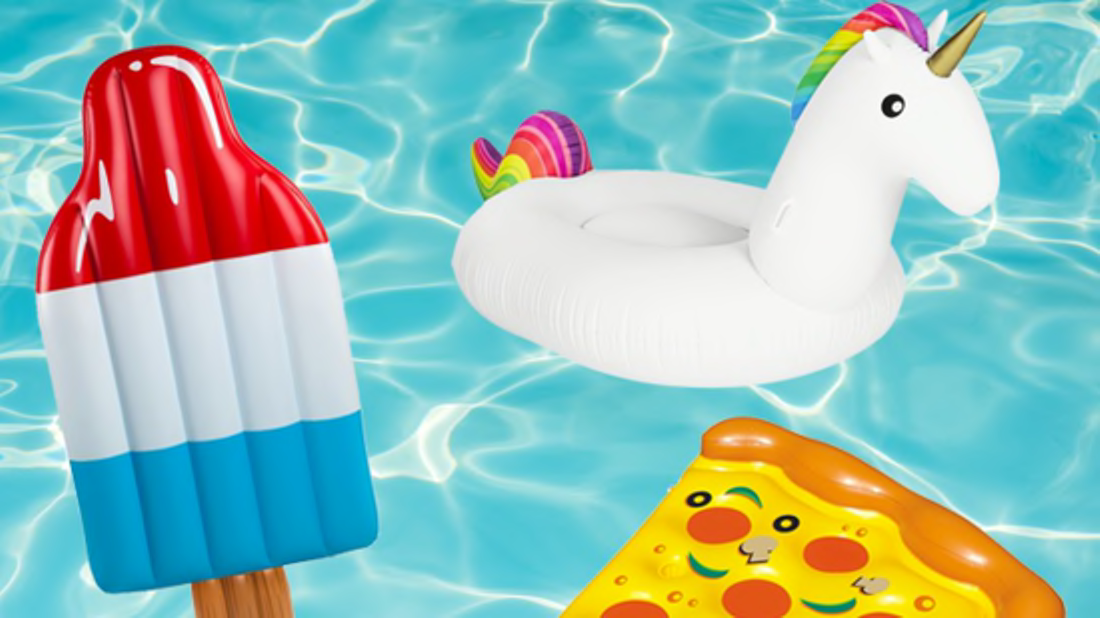
Pop Art is incredibly fun to write about because it is so colorful, often appears larger than life, and reminds us of things we know well by showing them in a new light. It’s 2019 and inflatable pool floats are all the rage. You can float on a slice of pizza, a flamingo, unicorn, donut, or a popsicle. Whatever your guilty pleasure is, you’re actually floating on art! Much like the work of famous pop artist, Andy Warhol, these floats appear childlike and colorful. To me, Warhol saw a normal object such as the soup can and exploited it in his art making it come to life. In the midst of a social media crazed decade, larger than life inflatable food items are becoming incredibly popular. This however; is not a new concept. In the 1960s, Claes Oldenburg used cheap vinyl to stitch giant hamburgers and french fries among other mundane objects like toothpaste. Clearly, the artists of the Pop Art movement saw art and inspiration in everything. Even Andy Warhol was quoted stating, “The world fascinates me.“ He found everything interesting (Paglia, n.d.).
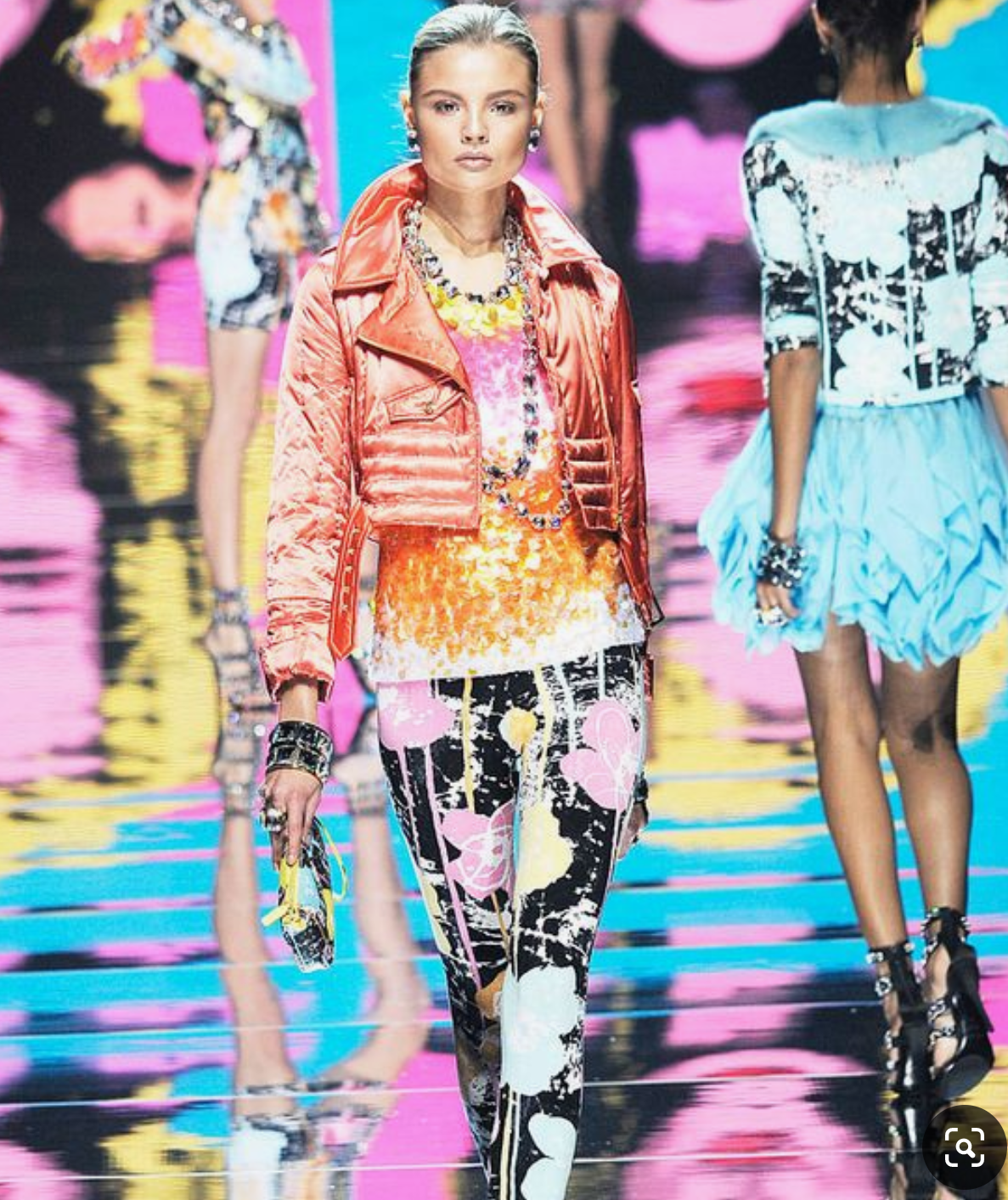
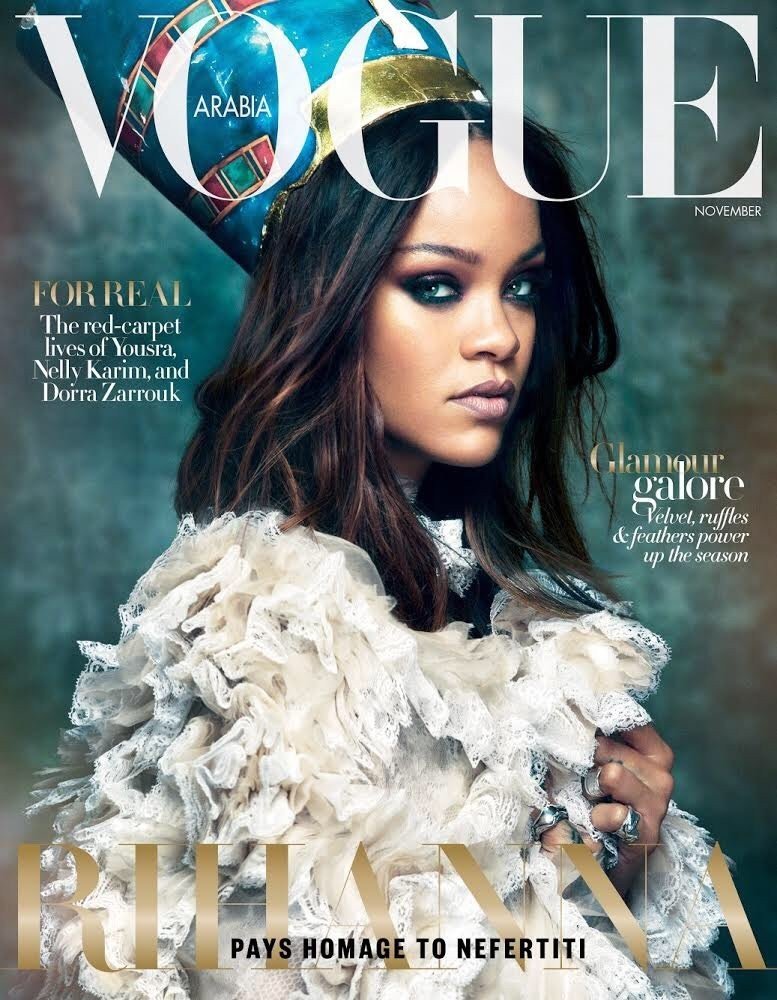
Following WWII, a group of British individuals started British Pop. “They were captivated by the splashy pictorials of American magazines, which conveyed the energy, optimism, and prosperity of the United States” (Paglia, n.d.). It was the 1950s and at the time, Hollywood was trying to compete against the rise of TV. Hollywood was utilizing saturated unreal colors. The colors, fashion, design, and iconic imagery of the time were in fact inspiring Pop Art. The image shown is from Vogue Magazine in today’s times. The models are clearly dressed in the Pop Art style signified by the statement being made through bright, vibrant colored clothing. Rewind to the start of Pop Art, and by 1962 it was gaining heavy media coverage (Paglia, n.d.). I would imagine the fashion world takes risk such as emulating Pop Art to gain media coverage and to get people talking.
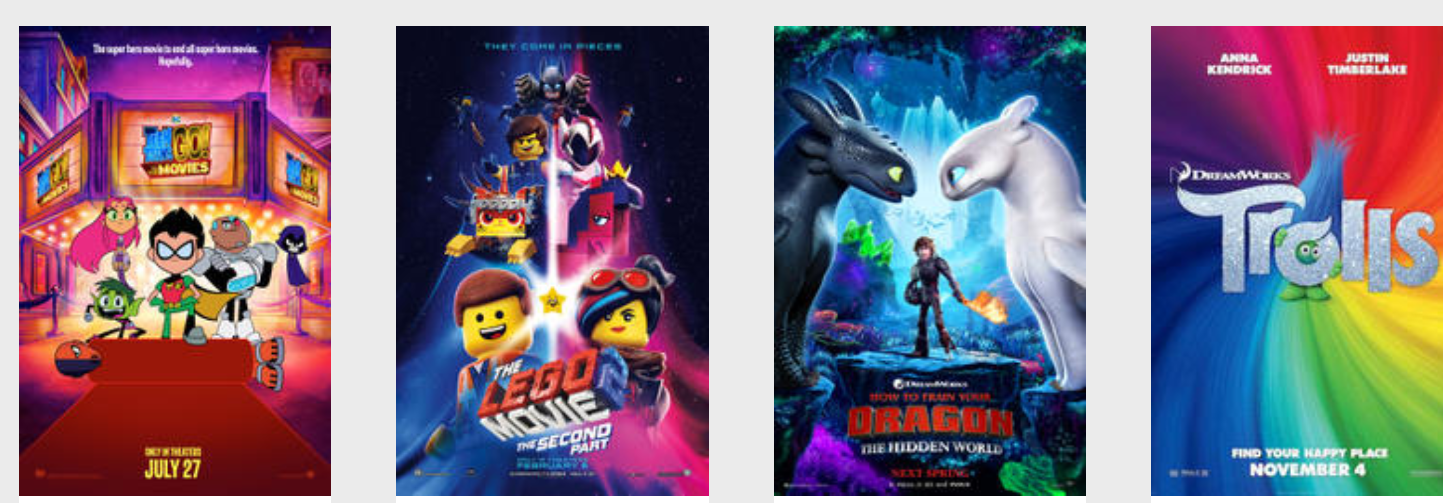
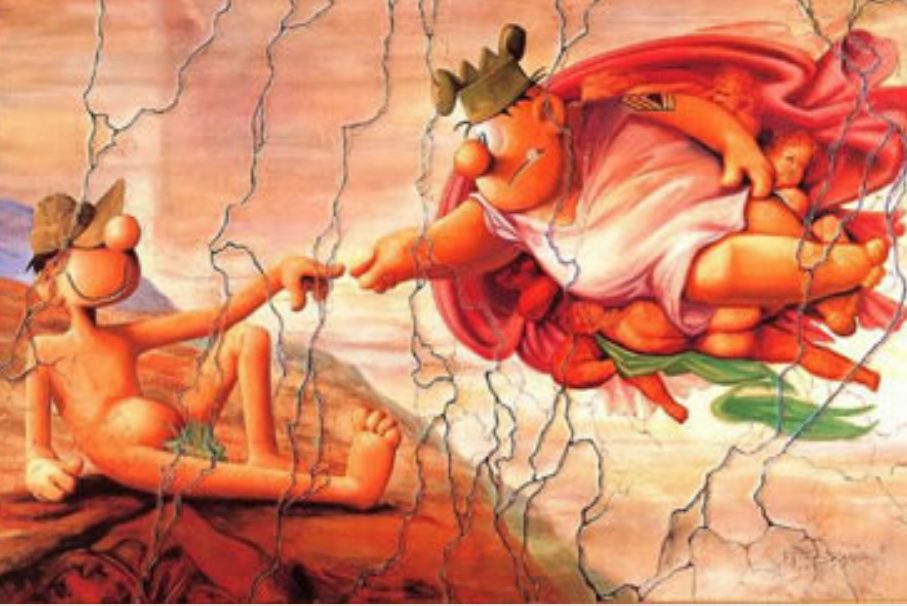
It is incredible to think that the rise of cartooning and animation stemmed from Pop Art. In the 1960s, artists like Roy Lichtenstein and Andy Warhol made paintings based on comic strips recognizing underlying themes of love, myth, and legend (Paglia, n.d.). The public actually responded so enthusiastically to the art that comics started becoming hit TV shows and movies. Think Batman, Wonderwoman, Superman, etc. “Over the following decades, cartooning and animation steadily rose in cultural status, even as the fine arts declined” (Paglia, n.d.). Eventually, computer technology would be introduced changing cartooning and animation forever. Today, many successful blockbuster movies are animated or even star a cast made up entirely of cartoon characters! We can thank Warhol and Lichtenstein for that.
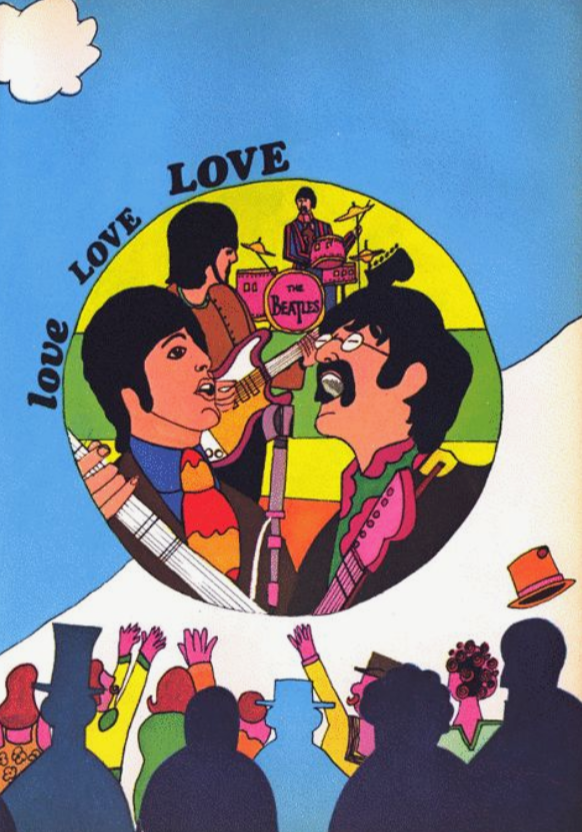
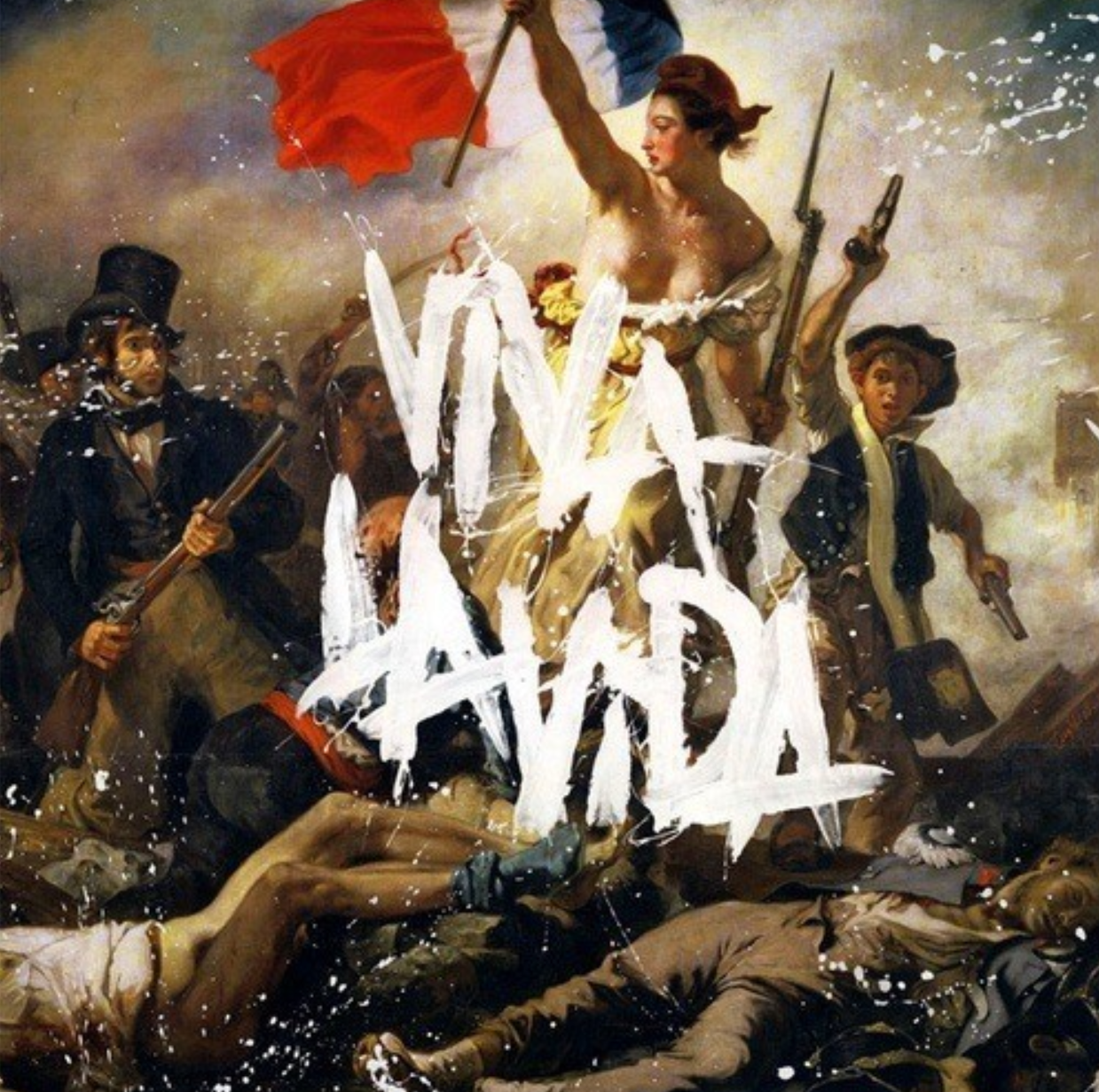
When I think of Pop Art, two images come to mind: Andy Warhol’s soup cans and his colorful depictions of classic icon, Marilyn Monroe. I can make the assumption that album art and fan art in the years to follow would be inspired by this kind of fan art. Take The Beatles, for example. Not only were they known for creating colorful images like the cover of their Sgt. Pepper album, or yellow submarine, but they used type fonts and imagery with Pop Art influences. Even today, fans still create Beatles inspired art in the Pop Art style like this image example shown.
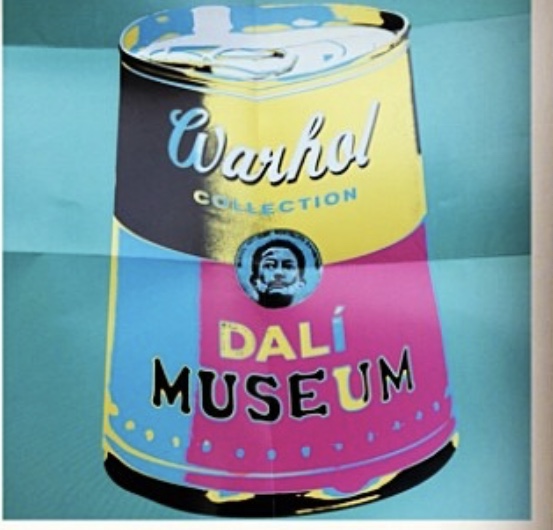
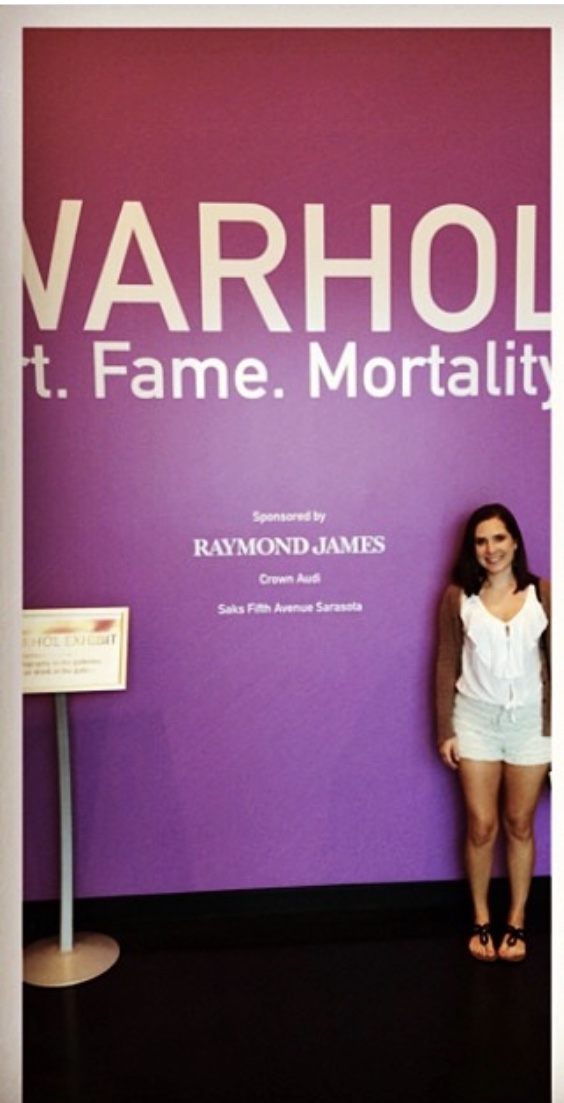
I had the opportunity to visit the Andy Warhol exhibit at the Dali Museum in Tampa, FL in 2014. Here are a couple photos from my experience there:
Sources:
Kordic, A. (2015, November 20). Is it Possible to Answer the Question What is Pop Art in the 21st Century? Retrieved July 17, 2019, from https://www.widewalls.ch/what-is-pop-art/
Osterwold, T., & Galbraith, I. (2015). Pop art. Köln: Taschen.
Paglia, C. (2013). Glittering images: A journey through art from Egypt to Star Wars. New York: Vintage.Stanska, Z. (2018, January 21).
Jeff Koons And His Balloon Dogs. Retrieved July 17, 2019, from https://www.dailyartmagazine.com/jeff-koons-balloon-dog/ Sources:












 Chloe - History of Communication Design 2019