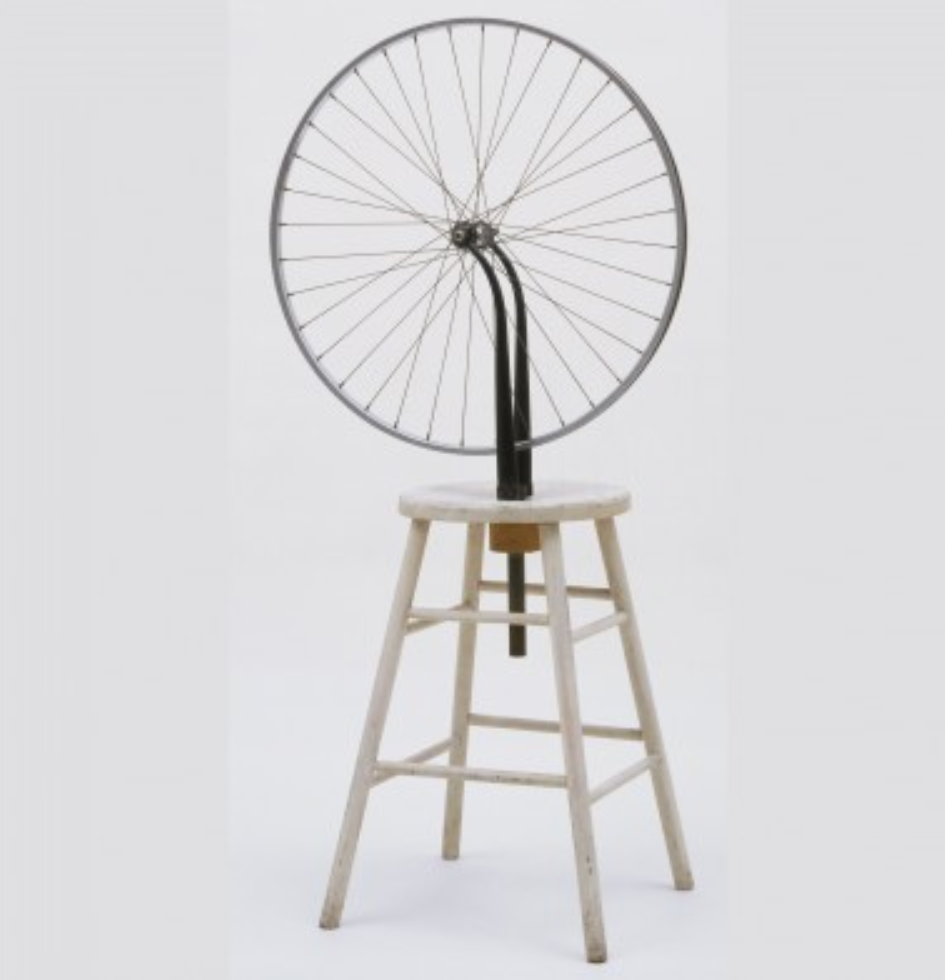
Several years ago, I was visiting the Museum of Modern Art, New York (MoMA) and saw this art display or one very similar to it. Let me set the scene. A tour of foreign, non English speaking tourists gathered around this bicycle wheel attached to a stool gripping their audio listening devices staring perplexed at the wheel. I’ve often thought of this since that day. I too, stood staring perplexed at the wheel. What was the artist trying to communicate? What made them thing to affix a bicycle wheel to the stool? Why was this art?
“The Futurists saw this interplay between object and environment, expressed by the Impressionists. They wished, further, to add to this complex relationship between and object and its surroundings the effect on the forms of actual motion in space.”
(Taylor, n.d)
The Futurists awareness of the complexity of perception birthed the concept of dynamism (Taylor, n.d.). They found a connection between the activity of the outside world and the activity of the mind. This way of thinking led Futurists to “put the spectator in the center of the picture.” This brings me back to the bicycle wheel and stool. While we were all gathered around the two affixed objects, we weren’t just spectators, we were part of the art itself. The art display, as Taylor’s article puts it, “made the spectator participate in the complex activity suggested by the forms, colors, and fragments of objects.” I believe that the wheel was meant to show movement. A first for many artists. While many pieces suggested movement, the wheel actually moved.
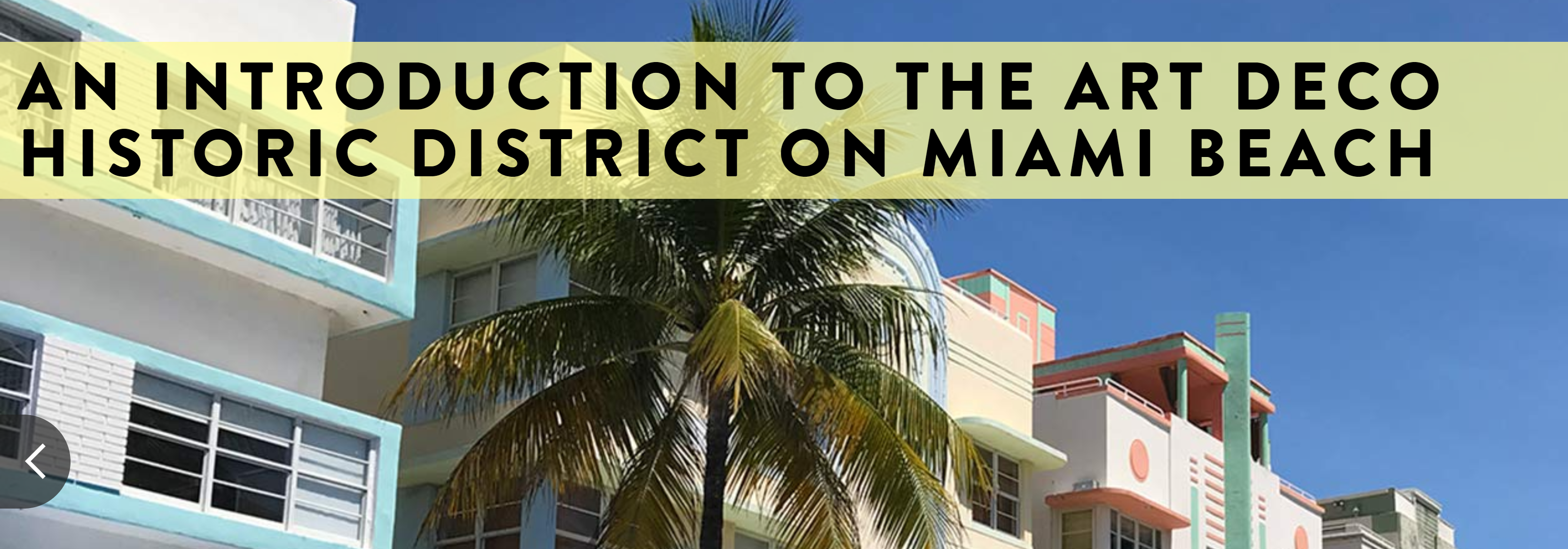
“Art Deco belongs to a world of luxury and decadence, the Golden Age of the 1920s and 1930s”
(Zaczek, n.d.)
When we think of Art Deco we may think of the classic paintings depicting giant ocean liners, cocktail glasses, moon lit jazz parties, etc. Art Deco; however, did not just apply to paintings depicting this imagery, it applied the same aesthetic to all aspects of design from jewelry design to architecture and interior decoration. Famous to the architectural design world in the late 1800s and early 1900s was architect-designer, Josef Hoffmann (Zaczek, n.d.). He believed that the artist should be involved in every aspect of the architectural design production process down to the smallest details. One of his most famous works in Brussels showed a more holistically designed, geometrically inspired architectural style (Zaczek, n.d.). The image of the buildings he designed in Brussels resembles today’s Art Deco district in Miami, FL. The Art Deco District in Miami is lined with bright buildings standing out in geometric shapes, never losing sight of the aesthetic qualities of the materials used. The result, both in Brussels and Miami, is a building that is “simultaneously functional and exquisitely luxurious” (Zaczek, n.d.).
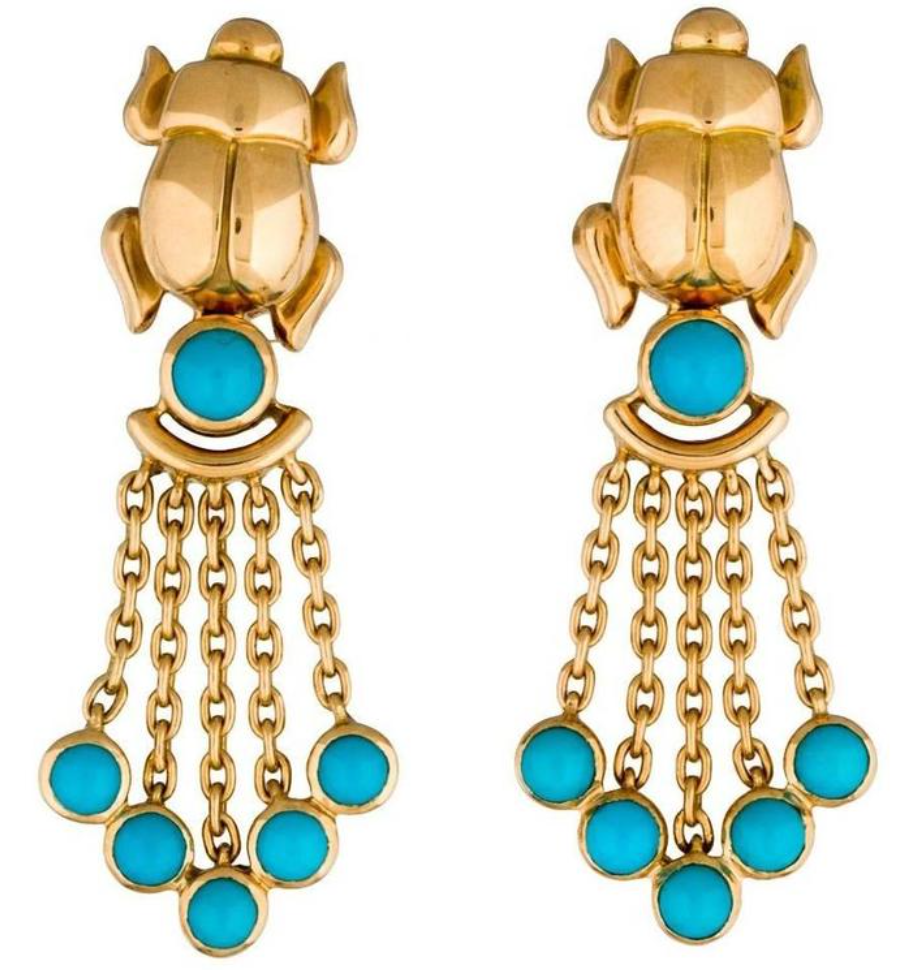
As mentioned above, Art Deco incorporated its aesthetic influence into everything from architecture to jewelry. In the early 1900s, Art Deco began incorporating stylistic motifs from Ancient Egyptian art (Zaczek, n.d.). The Art Deco Egyptian Revival was referred to as “Nile Style or Tutmania”. While the motif was heavily incorporated in architecture, it was also seen in jewelry inspiration. Turquoise was frequently used in the creation of jewelry, and was a material much associated with the age of the pharaohs. Objects were decorated with motifs such as palm fronds or the scarab beetle inspired by collections of Egyptian art that could be seen in museums at the time (Zaczek, n.d.). Cartier, a modern-day fashion and jewelry designer, created these earrings shown in the example image that include both elements of Art Deco Egyptian Revival: turquoise and the scarab beetle. It is incredible to think that today’s fashion designers draw their inspiration from years past.
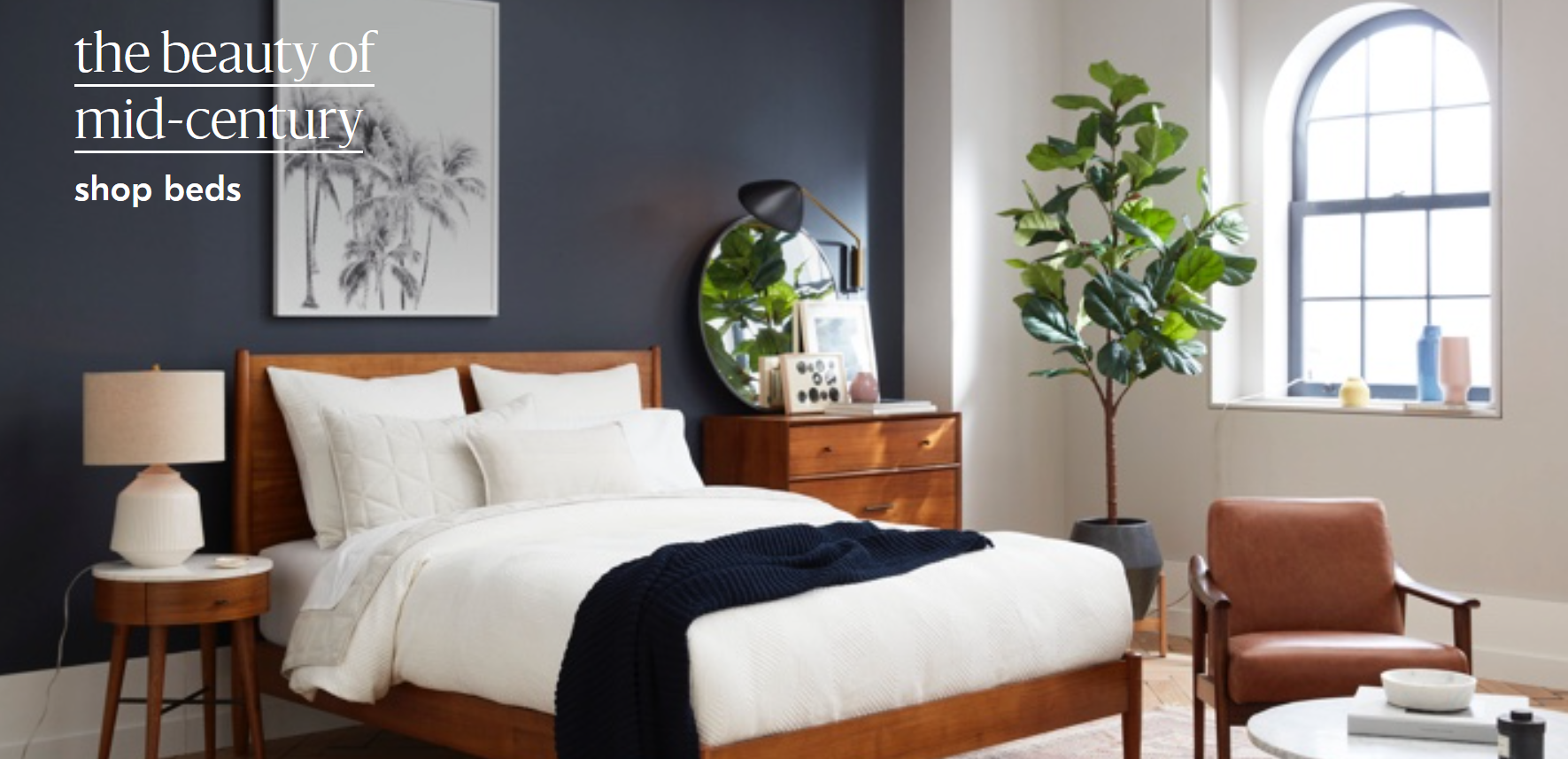
This room is a current example of a bedroom furniture set that is for sale at West Elm. The circular table, mirror, headboard, and walnut finish are all elements that represent an Art Deco influence. Art Deco has seemingly defied the passing of time. It’s timeless elements and shapes are aesthetically pleasing to the eye. The biggest design trend of the year might be reviving Art Deco forms. “But unlike the 1920s version, which favored mass production and streamlined geometries, this 21st-century redux — dubbed Neo Deco — places more emphasis on swooping curves, bespoke embellishments, attention to detail and precious materials” (1stDibs, n.d.).
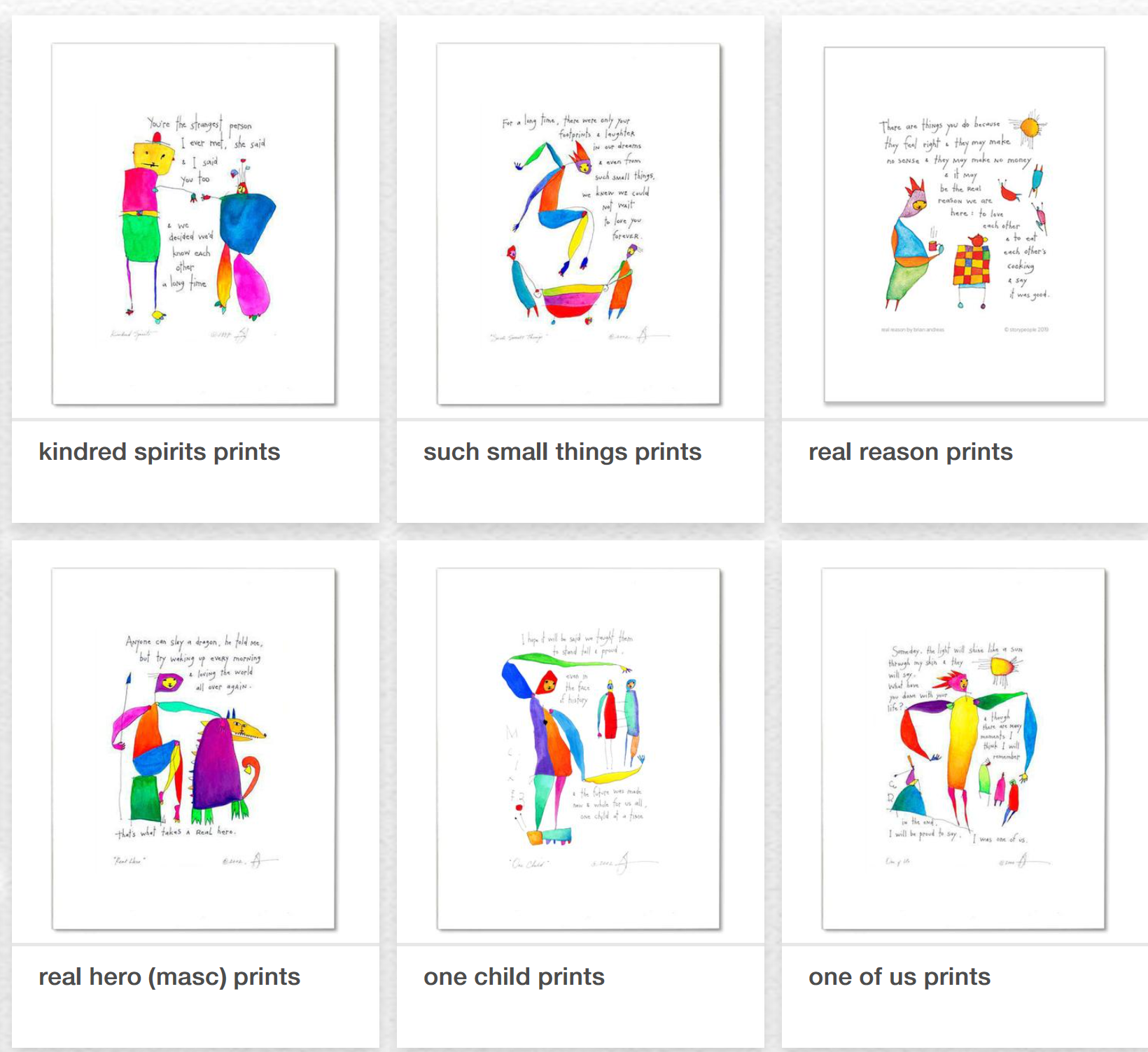
Modern day artist and writer, Brian Andreas, is most known for his line called Story People. With each poem, quote, or saying he draws an image to accompany the words. The images are typically colorful, whimsical, and quite obscure. I’ve actually always wondered what his artistic background is in, and where he draws his inspiration from. In fact, his drawings much resemble the art form, cubism. Artist Robert Delaunay (1885-1941) moved towards abstract art and was concerned with color. He created an Eiffel Tower series in 1910 that demonstrated his grasp of cubism but also his feeling for rhythms and color (Piper, n.d.). Colors created movement and space in his paintings.
“Color is form and subject; it is the sole theme that develops, transforms itself apart from all analysis, psychological or otherwise. Color is a function of itself.”
(Piper, n.d.)
While cubism presented radically fragmented objects, the viewer’s mind still knew what the image was of. Although eyeballs, hands, heads, body shape, etc. were disproportionate and not in realistic colors, we know what it is representing. For example, I see that artist Brian Andreas is drawing people and personifying these colorful objects.
Sources:
Eskilson, S. (2019). Graphic design: A new history. New Haven, CT: Yale University Press.Neo Art Deco. (n.d.). Retrieved from https://www.1stdibs.com/collections/neo-art-deco/
Piper, D. (n.d.). Cubism and Futurism. In The History of Art II.
Taylor, J. C. (n.d.). Futurism. In Futurism.
Zaczek, I. (2003). Essential art deco. Bath: Parragon.
 Chloe - History of Communication Design 2019