The new product I am creating is for a dog and it is a rubber attachment for the end of a leash. I am going to name my product the Stretch N’ Run, Hydraulics for your dog leash. As far as I know, a leash does not currently exist that has a rubber attachment at the end to prevent a harsh tug against the dog when they hit the end of the leash. I know from experience that my dog is an incredibly fast runner and I have to sprint to keep up. I see how hard the leash tugs at him when he hits the end of the leash slack and I think a simple, heavy-duty rubber attachment will make that tug less harsh and a more comfortable experience for both the dog and the owner.
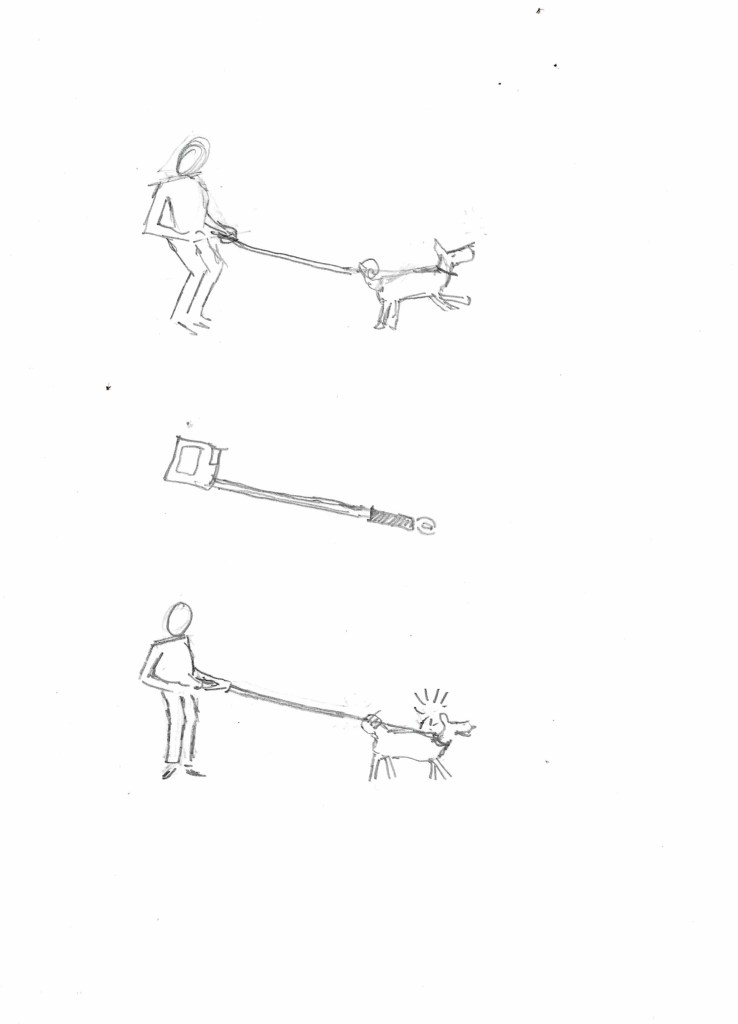
The below concept sketches illustrate a dog owner running with their dog using a normal leash, and then the same thing but using the Stretch N’ Run leash attachment. The dog is more comfortable with the attachment as illustrated, and the owner is happier that their dog is having a more positive leash experience. It is said that the concept sketches will often spark ideas for further explanation (Kumar, 2016). The sketch illustrates a non-retractable leash; however, it will be beneficial to sketch out both leashes in order to find any difficulties with the product and development ahead of time.
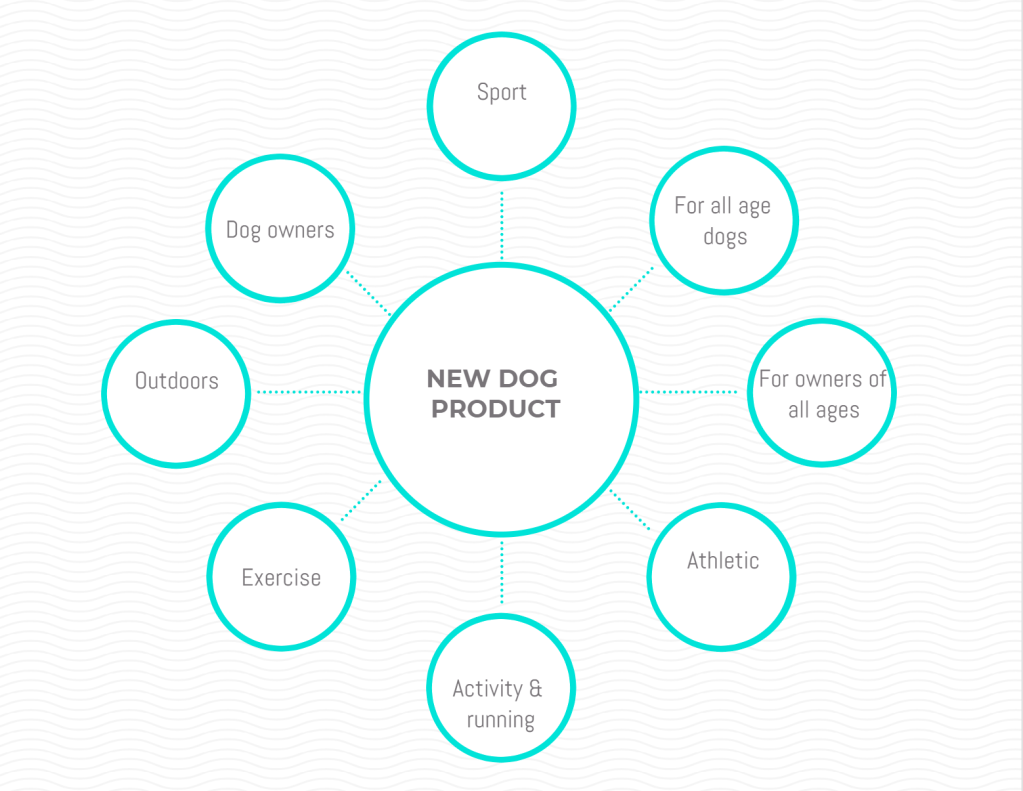
The below opportunity mind map illustrates my thought process surrounding the reasons a customer might purchase this product and what type of consumer would be targeted. The mind map is used at the beginning of exploring a concept and allows the creator to see where there is a potential opportunity (Kumar, 2016).
In business, partnership is important. In the development of my product, I might want to partner with current leash products to offer them this new attachment. Forbes wrote, “A value hypothesis should be a testable statement that can be validated or refuted when facing your prospective partner” (Pollack, n.d.).
My value hypothesis = By adding the Stretch N’ Run attachment to a normal or retractable leash by partnering in distribution with X leash company, annual sales will increase by $1.2 million based on a cost report analysis of company X.
References:
Kumar, V. 101 Design Methods: A Structured Approach for Driving Innovation in Your Organization. [Vault eBooks]. Retrieved from https://www.vaultebooks.com/#/books/9781118392195/
Pollack, S. (n.d.). The Value Hypothesis. Retrieved from https://www.forbes.com/sites/scottpollack/2012/04/12/the-value-hypothesis/#68f3cf1a14af
 Chloe - History of Communication Design 2019